What Are the Benefits of Physiotherapy?

Published On: May 14th, 2026|Total Views: 1|Daily Views: 1|13 min read|2607 words|

TABLE OF CONTENT

Constant pain or stiff joints can make daily tasks difficult to perform. In this case you can solve these issues with the help of physiotherapy.

The benefits of physiotherapy is not just recovery. Whether it’s difficult for you to walk or recover after an injury, it plays a crucial role in your life.

It supports you before and after surgery. It is the best way to reduce the pain. It also plays a key role in your overall health and helps you to improve the quality of life.

The benefits of physiotherapy also include better posture and long-term physical wellness.

Recent research shows that over 20 million people are affected by musculoskeletal issues in the UK.

In this guide, you will better know about the key benefits of physiotherapy.

Key Takeaways

  • Physiotherapy is a holistic and non-invasive treatment that focuses on treating the root cause, not just the symptoms.
  • It helps reduce pain, restore movement, and improve overall physical function for people of all ages.
  • Regular physiotherapy can prevent injuries, improve posture, and enhance strength and balance.
  • It plays a crucial role in recovery after surgery or injury, helping you return to daily activities safely.
  • Physiotherapy supports long-term conditions like arthritis, neurological disorders, and respiratory issues.
  • It can reduce the need for medication or surgery, making it a safer long-term option.
  • Beyond physical benefits, it also improves mental well-being by boosting confidence and independence.
  • With personalised treatment plans, physiotherapy adapts to your unique needs and health goals.

Introduction of Physiotherapy

Physiotherapy is one of the best healthcare treatments. It helps you perform physical activities in a better way. It also helps you to get relief from pain without any medication.

It utilizes physical approaches such as exercise, manual therapy and also education. It helps to treat injuries, diseases and disabilities which improve quality of life across all ages.

Why Physiotherapy Matters in Modern Healthcare?

One of the major benefits of physiotherapy is that it supports recovery. Not just recovery, it has many benefits like pain relief and prevention from injury.

It aims to relieve your pain and give strength to your muscles. It supports more than 1 billion people in their health condition.

Who Can Benefit from Physiotherapy?

The benefits of physiotherapy are helpful for people of all ages. It is important for children, adults and also for athletes.

It helps you to recover from injury and improve your posture. From athletes to normal people, physiotherapy is helpful for those who want to improve their lifestyle.

What Physiotherapy can treat?

Physiotherapy is helpful in treating different parts of the body including:

  • Bones and joints
  • Tissues and muscles
  • Nervous system
  • Lungs and heart

The 12 Key Benefits of Physiotherapy

There are 12 key benefits of physiotherapy which may play an important role in your life.

1. Management and Pain Relief

Pain relief is a benefit of physiotherapy which comes from exercise therapy. While electric techniques like TENS are used to improve the function of your muscle.

2. Improvement in Mobility

One of the key benefits of physiotherapy is helping patients to move more comfortably. It can also help to improve physical function and also mobility.

3. Injury Prevention

Strength training is the best way to prevent injury. Physiotherapists worked on their treatment plans according to the patient’s needs. This can also help to reduce the risk of injuries.

4. Reduce the Risk of Surgery

In some cases, it can help to reduce the risk of surgery. It works on improving strength, flexibility and movement which may help the body to heal naturally .

5. Enhance the Strength and Balance

One of the key benefits of physiotherapy is that it gives strength to the muscle. In this process it uses different exercises to improve your strength.

6. Rehabilitation

The benefits of physiotherapy during the rehabilitation include safer and faster recovery.

It can help the body to recover safely. It also helps to reduce the stiffness and pain which helps patients to return to their daily activities.

7. Health of the Heart

Physiotherapy plays a key role in the health of your heart. It can also help you to improve your stamina.

8. Pulmonary Rehabilitation

This benefit is focused on the capacity of the lungs. It also increases breathing efficiency. It is helpful for people who are suffering from problems like asthma or COPD.

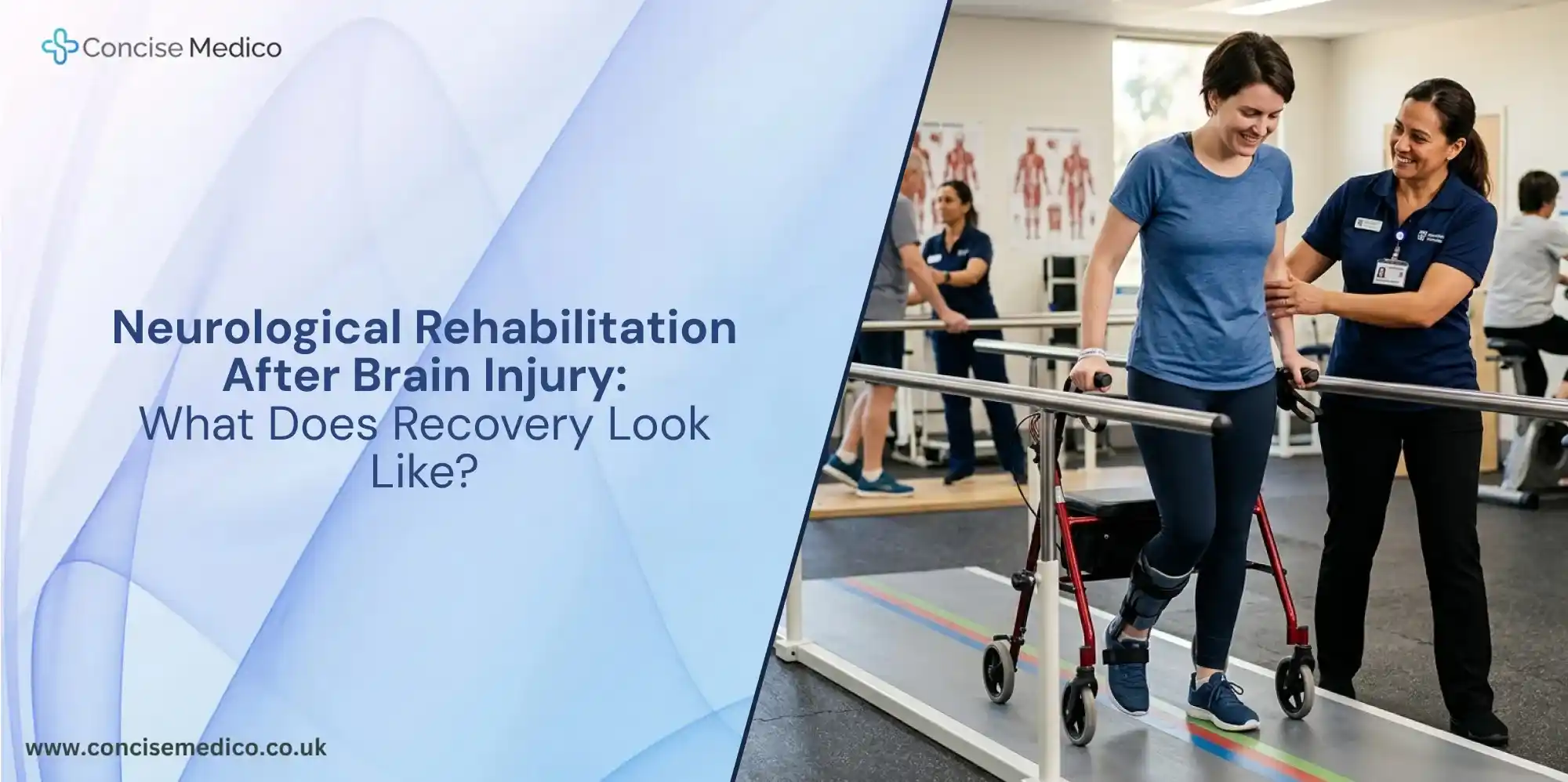
9. Neurological Rehabilitation

This can help people to recover from issues related to the brain and nerves. It also helps patients to recover from conditions like stroke and brain injury.

10. Floor Rehabilitation

This therapy gives strength to the muscles that support the bowel and also the reproductive organs. It helps to reduce pain and treat the conditions in a better way.

11. Mental Health

It helps to improve your mental health with the help of physical activity. It also helps to decrease the chronic pain-related mental strain and boosts mood via endorphins.

12. Quality of Life

One of the key benefits of physiotherapy is that it improves the quality of life. Improving health can help you to stay active. It also helps you to perform daily life activities without any hindrance.

Key Benefits of Physiotherapy

Understanding Physiotherapy

Physiotherapy is more than just simple exercises. It is a science-based treatment which is focused on improving body movement and its functions.

Core Principles of Physiotherapy

There are seven core principles of physiotherapy.

  • Patient Education and Empowerment.
  • Treatment and individual assessment.
  • Quality Assurance.
  • Exercise and active Participation.
  • Collaboration and continuity of care.
  • Hands-on therapy and Manual therapy.
  • Evidence-based Practice.

The Holistic Approach

The holistic approach means to treat the full body not just the areas where pain exists. It also focuses on the factors like emotional, mental and social.

It focuses on the emotional, social and environmental factors that aim for root-cause solutions.

Goals of Physiotherapy?

  • Reduce the pain
  • Improve mobility
  • Increase your strength
  • Prevent injuries

Advantages of Physiotherapy

Here we explain some advantages of physiotherapy below:

  • It helps to reduce pain and improve physical health.
  • It improves mobility and overall body strength.
  • It supports injury recovery.
  • It enhances the overall health and quality of life.

How Benefits of Physiotherapy Improves Your Life?

The long-term benefits of physiotherapy can help you to stay physically active.

With the help of tailored exercises and manual techniques, it promotes health and prevents injury. It also allows you to avoid surgery or reliance on medication.

One of the most important benefits of physiotherapy is that it helps you to maintain the standard of living. It can also help people to move easily and stay active in their life.

How Benefits of Physiotherapy Works?

Physiotherapy works in 4 main steps which are defined below.

Step 1: Diagnosis and Assessment

The first step focuses on finding the root cause. Because the treatment is based on the right diagnosis.

Step 2: Treatment Planning

In this step a treatment plan will be created according to your needs. This ensures that you receive the results in an effective way.

Step 3: Treatment Techniques

There are some treatment techniques which are used in physiotherapy.

  • Exercise Therapy
  • Manual Therapy
  • Electrotherapy

Step 4: Regular Reviews

Regular reviews ensure that the patients get relief throughout the recovery process.

Your progress will be reviewed on a daily basis. But your recovery plan is also adjusted to ensure the best results.

Benefits of Physiotherapy for Stroke Patients

Here we explain some benefits of physiotherapy for stroke patients below.

  • It helps to improve muscle strength after a stroke.
  • It improves balance.
  • It supports daily activities by increasing mobility.

What Does a Physiotherapist Do?

They are well trained healthcare professionals. They guide you how to recover from injuries and how to improve your body functions.

1. Role and Responsibilities

The role and responsibilities of the physiotherapist are to think about your medical condition. They create treatment plans and guide you throughout the process.

They also guide the patients on how to prevent future injuries and how to maintain a good healthy life.

2. Patient evaluation

Patient evaluation is an important step in physiotherapy. At this stage they gather the data from healthcare professionals. This includes your medical records test reports.

3. Planning and Execution

Right after the first step, they create a treatment plan which is based on your health. They carry out this plan throughout the process. It includes exercise therapy and manual therapy.

4. Work with Other Healthcare Professionals

To understand the health of the patient in the right way, they work closely with other healthcare professionals. This can help them to collect your detailed medical reports.

Types of Physiotherapy Treatments

It consists of a wide range of treatments which are designed to meet the actual needs of patients.

1. Exercise Therapy

Exercise is one of the best ways to improve your flexibility and strength.

2. Manual Therapy

Manual therapy includes hands-on techniques. Such as massage, which helps to get rid of pain.

3. Electrotherapy

Devices such as TENS machines help you to manage the pain and also help in healing.

4. Aquatic and Hydrotherapy Therapy

Water based exercise, like swimming can kill the stress. It helps you to do any physical action in an easy way.

5. Ergonomic Advice and Posture Correction

This is the type where patients learn how to move in the right way. It also teaches how to sit in the right position to avoid the pain.

Ergonomics products and devices

Here are the list of the ergonomics products and devices including:

  • Seating & Support: Adjustable chairs with back support, seat cushions and footrests.
  • Input Devices: Vertical mice, trackballs and split keyboards, which help to reduce the wrist pain by up to 60%.
  • Workstation Adjustments: Sit-stand desks, monitor arms and also laptop stands to bring screens to eye level.
  • Accessories: Document holders, anti-fatigue mats and task lighting.

Read more: Understanding the main types of Physiotherapy.

Conditions Treated by Physiotherapy

Physiotherapy can help to treat many issues like.

1. Musculoskeletal

It have the solution related to musculoskeletal issues following:

  • Back and neck pain.
  • Sports injuries.
  • Arthritis.

2. Neurological

Physiotherapy work on neurological issues including:

  • Multiple sclerosis.
  • Stroke.
  • Parkinson’s disease.

3. Cardio

Physiotherapy has great impact on heart like:

  • Help to recover after the heart surgery
  • supports better heart function

4. Respiratory

Physiotherapy can help to solve the issues related to respiratory system including:

  • Asthma.
  • Chronic obstructive pulmonary disease (COPD).

5. Women’s Health Issues

It can be helpful for women’s health which include:

  • Pelvic pain
  • Issues related to Pregnancy.

6. Geriatric

It deals with the problems and diseases of old age like:

  • Balance issues.
  • Fall prevention.

What Can Benefits of Physiotherapy Help With?

There are some benefits of physiotherapy which are mentioned below.

  • Help to recover the Injury.
  • Manage Pain.
  • Improvement in mobility.
  • Increase sports performance
  • Post surgery rehabilitation.

Additional Benefits of Physiotherapy

It helps you to manage the pain and recover in a natural way. It also helps to enhance your body posture.

Specialised Physiotherapy Areas

There are some areas where it plays an important role in the process of recovery.

1. Sports Physiotherapy

This area of physiotherapy is focused on treating sports related injuries. It can help athletes to recover faster and also improve their performance.

2. Neurological Physiotherapy

If you have any type of issue with your brain or with the nervous system then this type of physiotherapy is helpful for you.

3. Cardiopulmonary Physiotherapy

This type of physiotherapy helps you regarding your heart and lungs. It includes different techniques which can help out in better blood circulation and lung function.

Read more: Role of Neuropsychological Testing in Brain Injury

Benefits of Physiotherapy for Specific Conditions

Physiotherapy is helpful for some conditions which are given below.

Fibromyalgia Management

Physiotherapy helps to manage your sleep. In this process it works on reducing the muscle pain and stiffness with the help of relaxation techniques.

Chronic Fatigue Syndrome

It uses exercises to build strength levels for CFS. It also helps you to balance your posture.

Back and Neck Pain

It helps you to get relief from back and neck pain through physical training.

Post Surgical Rehabilitation

Physiotherapy helps you to recover after surgery through the treatment. It also improves your strength.

Physiotherapy Process: What to Expect?

The process of physiotherapy helps you to achieve your results in the right way.

  • Initial Consultation: A full assessment of your condition.
  • Goal Setting: Set the goals from start to overall recovery process.
  • Treatment: Attend regular sessions to improve your health.
  • Home Exercises: Home based exercises help you to improve lifestyle.

How Many Physiotherapy Sessions Do You Need?

The number of sessions depends on your health. Because the journey of every person is different from others.

1. Factors That Affect the Duration

The duration of the treatment is based on some factors. It includes the type of injury, health condition and how you follow the instructions.

2. Recovery Timeline

Some people see results within a few days. But the patients with more serious issues may need weeks or months.

3. Importance of Consistency

You must show consistency by attending the sessions on a daily basis. It is important for you because consistency helps you to achieve fast recovery.

Risks and Limitations

Physiotherapy is safe but it also has some limitations like other treatments. In some cases it may not solve your issue.

1. When Benefits of Physiotherapy May Not Be Enough

It may not solve your problems in some cases. So you should take the help from medicines.

2. Importance of Professional Guidance

Guidelines of the physiotherapist are very important for you. Because if you do not follow the guidance you will face issues in future.

3. Common Misconceptions

The most common misconception is that many people think that it gives instant results.

One more thing is that people think it is only for the injuries. But it also helps in your long term health management.

Tips You Must Follow

If you want to increase the benefits of physiotherapy then there are some tips you must follow.

  • Follow the plan.
  • Stay consistent.
  • Openly Communicate.
  • Work on healthy habits.

When Should You Need a Physiotherapist?

When you feel pain, stiffness or issues in your body then you should have to seek help from a professional physiotherapist.

Benefits of Physiotherapy for Early Treatment

Early treatment prevents you from future injuries. Here are the some benefits of early treatment:

  • Faster Recovery and Reduced Pain
  • Preventing Chronic Issues
  • Improved Function and Mobility
  • Cost Savings
  • Education and Prevention

Preventive Care

The preventive benefits of physiotherapy can help to lower the risk of future injuries and chronic pain.

The Importance of Physiotherapy in Overall Well Being

Physiotherapy is not just about treating the pain. It also plays a key role in your overall health.

Physical Health

One of the main benefits of physiotherapy is to improve your physical health. It helps you to perform actions in a better way. It also helps to make daily actions easy to perform.

Mental and Emotional Impact

It is helpful for your mental health. Because it helps to kill your stress and anxiety.

Long Term Lifestyle Improvements

It refers to good habits such as regular exercise. This can help you to maintain good health.

Real Life story of Benefits of Physiotherapy

In the UK, physiotherapy is widely used within the NHS to help people recover from injuries. In Manchester a middle-aged office worker suffers from back pain due to sitting for long hours.

The pain started affecting his ability to work. He was referred to an NHS physiotherapist who created a simple treatment plan for him. It includes guided exercises and posture correction.

Within a few weeks, he felt less pain and improved movement in his daily activities.

Conclusion:

Physiotherapy is a safe way to kill the pain. It also focused on the root cause of the problems, not only the symptoms.

Overall it plays an important role in your life. Because it helps you to live a good and healthier life. At Concise Medico, we are committed to helping you recover from injury, move in a better way and live a pain-free life through expert physiotherapy care.

Struggling with pain, stiffness or slow recovery?

Our team is here to give you the solution. Feel free to Contact us today for professional guidance.

Struggling with pain, stiffness or slow recovery?

Our team is here to give you the solution. Feel free to Contact us today for professional guidance.

FAQs

What are some benefits of physiotherapy?2026-05-14T11:07:09+00:00

Some key benefits of physiotherapy include reducing pain, improving movement and strength, supporting injury recovery, preventing future injuries, and enhancing overall physical and mental well-being.

What is the 80 20 rule in physiotherapy?2026-05-14T11:07:30+00:00

The 80/20 rule in physiotherapy is a simple idea that says around 80% of your recovery results come from 20% of the right exercises or actions.

What to avoid after physiotherapy?2026-05-14T11:07:50+00:00

After physiotherapy, you should avoid overexerting yourself, such as doing heavy exercise or strenuous activity too soon, as this can slow recovery or worsen pain.

What to eat after physiotherapy?2026-05-14T11:08:13+00:00

After physiotherapy, it’s best to eat nutrient-rich foods that support muscle recovery and healing, such as lean proteins (chicken, fish, eggs), but it’s best to consult with your physiotherapist for better results.

What are the disadvantages of physiotherapy?2026-05-14T11:08:32+00:00

Physiotherapy may take time to show results and requires regular effort from the patient. In some cases, exercises can cause temporary pain or discomfort, especially in the early stages of treatment.

Share This Article!

Constant pain or stiff joints can make daily tasks difficult to perform. In this case you can solve these issues with the help of physiotherapy.

The benefits of physiotherapy is not just recovery. Whether it’s difficult for you to walk or recover after an injury, it plays a crucial role in your life.

It supports you before and after surgery. It is the best way to reduce the pain. It also plays a key role in your overall health and helps you to improve the quality of life.

The benefits of physiotherapy also include better posture and long-term physical wellness.

Recent research shows that over 20 million people are affected by musculoskeletal issues in the UK.

In this guide, you will better know about the key benefits of physiotherapy.

Key Takeaways

  • Physiotherapy is a holistic and non-invasive treatment that focuses on treating the root cause, not just the symptoms.
  • It helps reduce pain, restore movement, and improve overall physical function for people of all ages.
  • Regular physiotherapy can prevent injuries, improve posture, and enhance strength and balance.
  • It plays a crucial role in recovery after surgery or injury, helping you return to daily activities safely.
  • Physiotherapy supports long-term conditions like arthritis, neurological disorders, and respiratory issues.
  • It can reduce the need for medication or surgery, making it a safer long-term option.
  • Beyond physical benefits, it also improves mental well-being by boosting confidence and independence.
  • With personalised treatment plans, physiotherapy adapts to your unique needs and health goals.

Introduction of Physiotherapy

Physiotherapy is one of the best healthcare treatments. It helps you perform physical activities in a better way. It also helps you to get relief from pain without any medication.

It utilizes physical approaches such as exercise, manual therapy and also education. It helps to treat injuries, diseases and disabilities which improve quality of life across all ages.

Why Physiotherapy Matters in Modern Healthcare?

One of the major benefits of physiotherapy is that it supports recovery. Not just recovery, it has many benefits like pain relief and prevention from injury.

It aims to relieve your pain and give strength to your muscles. It supports more than 1 billion people in their health condition.

Who Can Benefit from Physiotherapy?

The benefits of physiotherapy are helpful for people of all ages. It is important for children, adults and also for athletes.

It helps you to recover from injury and improve your posture. From athletes to normal people, physiotherapy is helpful for those who want to improve their lifestyle.

What Physiotherapy can treat?

Physiotherapy is helpful in treating different parts of the body including:

  • Bones and joints
  • Tissues and muscles
  • Nervous system
  • Lungs and heart

The 12 Key Benefits of Physiotherapy

There are 12 key benefits of physiotherapy which may play an important role in your life.

1. Management and Pain Relief

Pain relief is a benefit of physiotherapy which comes from exercise therapy. While electric techniques like TENS are used to improve the function of your muscle.

2. Improvement in Mobility

One of the key benefits of physiotherapy is helping patients to move more comfortably. It can also help to improve physical function and also mobility.

3. Injury Prevention

Strength training is the best way to prevent injury. Physiotherapists worked on their treatment plans according to the patient’s needs. This can also help to reduce the risk of injuries.

4. Reduce the Risk of Surgery

In some cases, it can help to reduce the risk of surgery. It works on improving strength, flexibility and movement which may help the body to heal naturally .

5. Enhance the Strength and Balance

One of the key benefits of physiotherapy is that it gives strength to the muscle. In this process it uses different exercises to improve your strength.

6. Rehabilitation

The benefits of physiotherapy during the rehabilitation include safer and faster recovery.

It can help the body to recover safely. It also helps to reduce the stiffness and pain which helps patients to return to their daily activities.

7. Health of the Heart

Physiotherapy plays a key role in the health of your heart. It can also help you to improve your stamina.

8. Pulmonary Rehabilitation

This benefit is focused on the capacity of the lungs. It also increases breathing efficiency. It is helpful for people who are suffering from problems like asthma or COPD.

9. Neurological Rehabilitation

This can help people to recover from issues related to the brain and nerves. It also helps patients to recover from conditions like stroke and brain injury.

10. Floor Rehabilitation

This therapy gives strength to the muscles that support the bowel and also the reproductive organs. It helps to reduce pain and treat the conditions in a better way.

11. Mental Health

It helps to improve your mental health with the help of physical activity. It also helps to decrease the chronic pain-related mental strain and boosts mood via endorphins.

12. Quality of Life

One of the key benefits of physiotherapy is that it improves the quality of life. Improving health can help you to stay active. It also helps you to perform daily life activities without any hindrance.

Key Benefits of Physiotherapy

Understanding Physiotherapy

Physiotherapy is more than just simple exercises. It is a science-based treatment which is focused on improving body movement and its functions.

Core Principles of Physiotherapy

There are seven core principles of physiotherapy.

  • Patient Education and Empowerment.
  • Treatment and individual assessment.
  • Quality Assurance.
  • Exercise and active Participation.
  • Collaboration and continuity of care.
  • Hands-on therapy and Manual therapy.
  • Evidence-based Practice.

The Holistic Approach

The holistic approach means to treat the full body not just the areas where pain exists. It also focuses on the factors like emotional, mental and social.

It focuses on the emotional, social and environmental factors that aim for root-cause solutions.

Goals of Physiotherapy?

  • Reduce the pain
  • Improve mobility
  • Increase your strength
  • Prevent injuries

Advantages of Physiotherapy

Here we explain some advantages of physiotherapy below:

  • It helps to reduce pain and improve physical health.
  • It improves mobility and overall body strength.
  • It supports injury recovery.
  • It enhances the overall health and quality of life.

How Benefits of Physiotherapy Improves Your Life?

The long-term benefits of physiotherapy can help you to stay physically active.

With the help of tailored exercises and manual techniques, it promotes health and prevents injury. It also allows you to avoid surgery or reliance on medication.

One of the most important benefits of physiotherapy is that it helps you to maintain the standard of living. It can also help people to move easily and stay active in their life.

How Benefits of Physiotherapy Works?

Physiotherapy works in 4 main steps which are defined below.

Step 1: Diagnosis and Assessment

The first step focuses on finding the root cause. Because the treatment is based on the right diagnosis.

Step 2: Treatment Planning

In this step a treatment plan will be created according to your needs. This ensures that you receive the results in an effective way.

Step 3: Treatment Techniques

There are some treatment techniques which are used in physiotherapy.

  • Exercise Therapy
  • Manual Therapy
  • Electrotherapy

Step 4: Regular Reviews

Regular reviews ensure that the patients get relief throughout the recovery process.

Your progress will be reviewed on a daily basis. But your recovery plan is also adjusted to ensure the best results.

Benefits of Physiotherapy for Stroke Patients

Here we explain some benefits of physiotherapy for stroke patients below.

  • It helps to improve muscle strength after a stroke.
  • It improves balance.
  • It supports daily activities by increasing mobility.

What Does a Physiotherapist Do?

They are well trained healthcare professionals. They guide you how to recover from injuries and how to improve your body functions.

1. Role and Responsibilities

The role and responsibilities of the physiotherapist are to think about your medical condition. They create treatment plans and guide you throughout the process.

They also guide the patients on how to prevent future injuries and how to maintain a good healthy life.

2. Patient evaluation

Patient evaluation is an important step in physiotherapy. At this stage they gather the data from healthcare professionals. This includes your medical records test reports.

3. Planning and Execution

Right after the first step, they create a treatment plan which is based on your health. They carry out this plan throughout the process. It includes exercise therapy and manual therapy.

4. Work with Other Healthcare Professionals

To understand the health of the patient in the right way, they work closely with other healthcare professionals. This can help them to collect your detailed medical reports.

Types of Physiotherapy Treatments

It consists of a wide range of treatments which are designed to meet the actual needs of patients.

1. Exercise Therapy

Exercise is one of the best ways to improve your flexibility and strength.

2. Manual Therapy

Manual therapy includes hands-on techniques. Such as massage, which helps to get rid of pain.

3. Electrotherapy

Devices such as TENS machines help you to manage the pain and also help in healing.

4. Aquatic and Hydrotherapy Therapy

Water based exercise, like swimming can kill the stress. It helps you to do any physical action in an easy way.

5. Ergonomic Advice and Posture Correction

This is the type where patients learn how to move in the right way. It also teaches how to sit in the right position to avoid the pain.

Ergonomics products and devices

Here are the list of the ergonomics products and devices including:

  • Seating & Support: Adjustable chairs with back support, seat cushions and footrests.
  • Input Devices: Vertical mice, trackballs and split keyboards, which help to reduce the wrist pain by up to 60%.
  • Workstation Adjustments: Sit-stand desks, monitor arms and also laptop stands to bring screens to eye level.
  • Accessories: Document holders, anti-fatigue mats and task lighting.

Read more: Understanding the main types of Physiotherapy.

Conditions Treated by Physiotherapy

Physiotherapy can help to treat many issues like.

1. Musculoskeletal

It have the solution related to musculoskeletal issues following:

  • Back and neck pain.
  • Sports injuries.
  • Arthritis.

2. Neurological

Physiotherapy work on neurological issues including:

  • Multiple sclerosis.
  • Stroke.
  • Parkinson’s disease.

3. Cardio

Physiotherapy has great impact on heart like:

  • Help to recover after the heart surgery
  • supports better heart function

4. Respiratory

Physiotherapy can help to solve the issues related to respiratory system including:

  • Asthma.
  • Chronic obstructive pulmonary disease (COPD).

5. Women’s Health Issues

It can be helpful for women’s health which include:

  • Pelvic pain
  • Issues related to Pregnancy.

6. Geriatric

It deals with the problems and diseases of old age like:

  • Balance issues.
  • Fall prevention.

What Can Benefits of Physiotherapy Help With?

There are some benefits of physiotherapy which are mentioned below.

  • Help to recover the Injury.
  • Manage Pain.
  • Improvement in mobility.
  • Increase sports performance
  • Post surgery rehabilitation.

Additional Benefits of Physiotherapy

It helps you to manage the pain and recover in a natural way. It also helps to enhance your body posture.

Specialised Physiotherapy Areas

There are some areas where it plays an important role in the process of recovery.

1. Sports Physiotherapy

This area of physiotherapy is focused on treating sports related injuries. It can help athletes to recover faster and also improve their performance.

2. Neurological Physiotherapy

If you have any type of issue with your brain or with the nervous system then this type of physiotherapy is helpful for you.

3. Cardiopulmonary Physiotherapy

This type of physiotherapy helps you regarding your heart and lungs. It includes different techniques which can help out in better blood circulation and lung function.

Read more: Role of Neuropsychological Testing in Brain Injury

Benefits of Physiotherapy for Specific Conditions

Physiotherapy is helpful for some conditions which are given below.

Fibromyalgia Management

Physiotherapy helps to manage your sleep. In this process it works on reducing the muscle pain and stiffness with the help of relaxation techniques.

Chronic Fatigue Syndrome

It uses exercises to build strength levels for CFS. It also helps you to balance your posture.

Back and Neck Pain

It helps you to get relief from back and neck pain through physical training.

Post Surgical Rehabilitation

Physiotherapy helps you to recover after surgery through the treatment. It also improves your strength.

Physiotherapy Process: What to Expect?

The process of physiotherapy helps you to achieve your results in the right way.

  • Initial Consultation: A full assessment of your condition.
  • Goal Setting: Set the goals from start to overall recovery process.
  • Treatment: Attend regular sessions to improve your health.
  • Home Exercises: Home based exercises help you to improve lifestyle.

How Many Physiotherapy Sessions Do You Need?

The number of sessions depends on your health. Because the journey of every person is different from others.

1. Factors That Affect the Duration

The duration of the treatment is based on some factors. It includes the type of injury, health condition and how you follow the instructions.

2. Recovery Timeline

Some people see results within a few days. But the patients with more serious issues may need weeks or months.

3. Importance of Consistency

You must show consistency by attending the sessions on a daily basis. It is important for you because consistency helps you to achieve fast recovery.

Risks and Limitations

Physiotherapy is safe but it also has some limitations like other treatments. In some cases it may not solve your issue.

1. When Benefits of Physiotherapy May Not Be Enough

It may not solve your problems in some cases. So you should take the help from medicines.

2. Importance of Professional Guidance

Guidelines of the physiotherapist are very important for you. Because if you do not follow the guidance you will face issues in future.

3. Common Misconceptions

The most common misconception is that many people think that it gives instant results.

One more thing is that people think it is only for the injuries. But it also helps in your long term health management.

Tips You Must Follow

If you want to increase the benefits of physiotherapy then there are some tips you must follow.

  • Follow the plan.
  • Stay consistent.
  • Openly Communicate.
  • Work on healthy habits.

When Should You Need a Physiotherapist?

When you feel pain, stiffness or issues in your body then you should have to seek help from a professional physiotherapist.

Benefits of Physiotherapy for Early Treatment

Early treatment prevents you from future injuries. Here are the some benefits of early treatment:

  • Faster Recovery and Reduced Pain
  • Preventing Chronic Issues
  • Improved Function and Mobility
  • Cost Savings
  • Education and Prevention

Preventive Care

The preventive benefits of physiotherapy can help to lower the risk of future injuries and chronic pain.

The Importance of Physiotherapy in Overall Well Being

Physiotherapy is not just about treating the pain. It also plays a key role in your overall health.

Physical Health

One of the main benefits of physiotherapy is to improve your physical health. It helps you to perform actions in a better way. It also helps to make daily actions easy to perform.

Mental and Emotional Impact

It is helpful for your mental health. Because it helps to kill your stress and anxiety.

Long Term Lifestyle Improvements

It refers to good habits such as regular exercise. This can help you to maintain good health.

Real Life story of Benefits of Physiotherapy

In the UK, physiotherapy is widely used within the NHS to help people recover from injuries. In Manchester a middle-aged office worker suffers from back pain due to sitting for long hours.

The pain started affecting his ability to work. He was referred to an NHS physiotherapist who created a simple treatment plan for him. It includes guided exercises and posture correction.

Within a few weeks, he felt less pain and improved movement in his daily activities.

Conclusion:

Physiotherapy is a safe way to kill the pain. It also focused on the root cause of the problems, not only the symptoms.

Overall it plays an important role in your life. Because it helps you to live a good and healthier life. At Concise Medico, we are committed to helping you recover from injury, move in a better way and live a pain-free life through expert physiotherapy care.

Struggling with pain, stiffness or slow recovery?

Our team is here to give you the solution. Feel free to Contact us today for professional guidance.

Struggling with pain, stiffness or slow recovery?

Our team is here to give you the solution. Feel free to Contact us today for professional guidance.

FAQs

What are some benefits of physiotherapy?2026-05-14T11:07:09+00:00

Some key benefits of physiotherapy include reducing pain, improving movement and strength, supporting injury recovery, preventing future injuries, and enhancing overall physical and mental well-being.

What is the 80 20 rule in physiotherapy?2026-05-14T11:07:30+00:00

The 80/20 rule in physiotherapy is a simple idea that says around 80% of your recovery results come from 20% of the right exercises or actions.

What to avoid after physiotherapy?2026-05-14T11:07:50+00:00

After physiotherapy, you should avoid overexerting yourself, such as doing heavy exercise or strenuous activity too soon, as this can slow recovery or worsen pain.

What to eat after physiotherapy?2026-05-14T11:08:13+00:00

After physiotherapy, it’s best to eat nutrient-rich foods that support muscle recovery and healing, such as lean proteins (chicken, fish, eggs), but it’s best to consult with your physiotherapist for better results.

What are the disadvantages of physiotherapy?2026-05-14T11:08:32+00:00

Physiotherapy may take time to show results and requires regular effort from the patient. In some cases, exercises can cause temporary pain or discomfort, especially in the early stages of treatment.

Go to Top